



.webp)



Why Do Bugs Keep Coming Back After I Spray in Visalia?
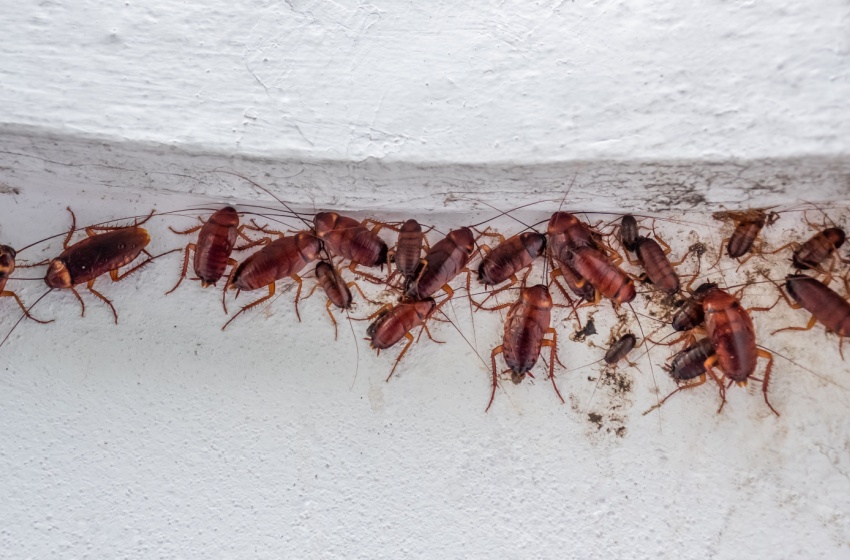
You bought the spray. You hit every baseboard, every crack, and every corner you could find. You wiped out the ant trail and doused the cockroach near the dishwasher. And two weeks later—sometimes sooner—the bugs are back. If this cycle feels familiar, you are not doing anything wrong. The spray is doing exactly what it was designed to do: kill the bugs it touches. The problem is that the populations, conditions, and environmental pressures that keep sending new pests to your Visalia doorstep remain completely untouched. Here is why the cycle keeps repeating and what it actually takes to break it with professional pest control.
The Source Is Still Alive
This is the fundamental issue. The ants in your kitchen, the cockroaches in your bathroom, and the earwigs along the baseboards—these are the visible fraction of a much larger population living outside your home. The colony is in the soil near your foundation. The cockroach harborage is in the storm drain or the irrigation boxes in the yard. The cricket population is breeding in the mulch along the house.
A spray inside the kitchen kills the individuals it contacts. It does nothing to the colony, the nest, or the breeding site that produced them. Within days, replacements arrive. In Visalia’s climate—where pest populations are sustained year-round by warm temperatures, irrigated landscapes, and proximity to agricultural land—those replacements come fast.
Why Store-Bought Sprays Fail in the Central Valley
They repel instead of eliminate. Most consumer sprays contain pyrethroid-based active ingredients that repel insects. Surviving ants detect the chemical residue and reroute—they find a different crack, a different gap, a different entry point. The trail disappears from one spot and reappears somewhere else. With Argentine ants, repellent sprays trigger colony budding. You end up with more colonies than you started with.
They break down fast. Consumer sprays have a short residual life under ideal conditions. In Visalia’s summer heat—where daytime temperatures routinely exceed 100 degrees and UV exposure is intense—that residual life is even shorter. By the time you put the can back under the sink, the product is already degrading. Professional-grade barrier treatments are formulated to maintain effectiveness for weeks despite heat, UV, and irrigation.
They do not address conditions. This is the most fundamental problem. Moisture from irrigation near the foundation. Gaps under doors. Mulch piled against the house. Tree branches touching the roofline. Exterior lighting attracting insects to entry points at night. These are the conditions driving pest activity into your home, and spraying over them without changing them guarantees the bugs will be back.
What Actually Breaks the Cycle
Professional pest control in the Central Valley works differently:
- Non-repellent products that pests cannot detect—they walk through the treated zone, carry the product back to the colony, and spread it through the population. This is how entire colonies are eliminated, not just the foragers you see.
- A sustained exterior barrier applied around the foundation, entry points, and conducive areas—one that maintains effectiveness for weeks between service visits, even in Central Valley heat.
- Interior treatment targeted at specific crack-and-crevice locations where pests enter and harbor.
- Recurring service that refreshes the barrier before it degrades and adjusts the treatment as seasonal pressures change.
San Joaquin Pest Control’s approach follows exactly this model. The team inspects the property to determine what the pest is, how it got in, and what to do about it—then follows through with treatment and follow-up service that guarantees results. If the pests come back, so does the team, until the problem is resolved.
If you are tired of spraying and seeing the same bugs return week after week, contact San Joaquin Pest Control for a free quote and find out what it takes to actually break the cycle.