



.webp)



Why Visalia’s Agricultural Fields Drive Rodent Activity Into Nearby Neighborhoods
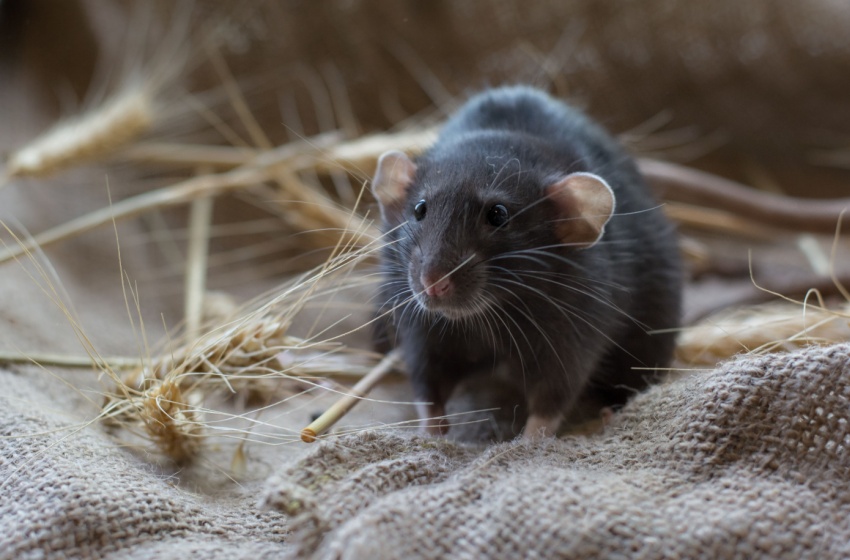
Visalia’s farming landscape is a cornerstone of the community, but it also creates unique challenges for nearby homeowners. Rodents thrive in agricultural environments, and when conditions shift in the fields, they often migrate into residential areas. Below are the main factors driving this movement—explained in depth to show how farmland and neighborhoods are connected.
Abundant Food Sources in Crops
Fields of citrus, grapes, nuts, and row crops provide rodents with a steady supply of food. When harvest season ends or crops are disturbed, rats and mice look for alternative sources—often finding them in pet food, bird seed, or unsecured trash around homes.
This migration is not immediate but gradual. As rodents explore beyond the fields, they discover that residential areas often provide consistent food access year‑round. Unlike crops that are seasonal, households rarely stop producing waste or leaving food sources exposed. This reliability makes neighborhoods an attractive extension of farmland.
Over time, rodents establish pathways between fields and homes, creating recurring infestations that spike after harvest. For homeowners, this means vigilance is necessary even when the fields appear quiet. Common attractants include:
- Pet food left outdoors: Bowls of kibble provide high‑calorie meals that rodents can access nightly.
- Bird feeders spilling seed: Spilled seed on the ground creates a constant food source, especially for mice.
- Unsecured trash bins: Overflowing or uncovered bins act like open buffets, drawing rodents from nearby fields.
- Fruit trees dropping produce: Fallen fruit ferments quickly, attracting rodents and encouraging nesting nearby.
- Compost piles with food scraps: Organic waste, if not managed properly, becomes a steady food supply for rats.
Irrigation and Water Availability
Agriculture relies on irrigation systems that create consistent water access. When rodents lose that supply due to seasonal changes or field maintenance, they migrate toward neighborhoods where leaky faucets, bird baths, or runoff provide easy hydration.
Water is one of the most powerful motivators for rodent movement. Even small amounts—such as condensation from air conditioning units—can sustain them. This explains why homes near farmland often see activity increase during dry spells when irrigation slows.
The presence of water also encourages rodents to nest closer to homes. Once they find reliable hydration, they begin searching for shelter nearby, making residential properties a natural next step.
Shelter Disruption During Harvest
Tall crops and field edges offer natural cover for rodents. Once fields are harvested or cleared, that shelter disappears. Garages, attics, crawl spaces, and dense landscaping in residential areas become the next best option.
Harvest season is particularly disruptive because rodents are forced to relocate quickly. In their search for cover, they often move en masse into neighborhoods, leading to sudden spikes in infestations.
This disruption also changes rodent behavior. They become more aggressive in seeking shelter, gnawing through barriers or squeezing into tight spaces. For homeowners, this means that even minor vulnerabilities in a property can be exploited during these migration waves.
Seasonal Weather Patterns
Cold weather drives rodents to seek warmth. Agricultural fields, once harvested, no longer provide insulation. Homes near farmland become attractive because they offer stable temperatures and protection from the elements.
Seasonal shifts in Visalia are predictable, and rodents adapt accordingly. As temperatures drop, they move closer to human activity, knowing that homes provide warmth and food. This cycle repeats annually, making winter a high‑risk period for infestations.
The challenge for homeowners is that rodents often settle in hidden areas—attics, basements, or wall voids—where they remain unnoticed until populations grow. Preventive measures before seasonal changes are critical to avoid these hidden invasions. Watch for:
- Gnaw marks on stored items: Rodents chew constantly to wear down teeth, leaving visible damage on boxes or furniture.
- Droppings in attics or crawl spaces: Small, dark pellets are a clear sign of rodent presence.
- Scratching sounds at night: Nocturnal activity often reveals itself through faint noises in walls or ceilings.
- Chewed insulation or wiring: Rodents use insulation for nesting and gnaw wires, creating fire hazards.
- Nests made from shredded paper or fabric: Improvised bedding materials signal that rodents have established a hidden colony.
Expanding Neighborhood Boundaries
As Visalia grows, neighborhoods increasingly border farmland. This overlap blurs the line between cultivated land and residential property, making it easier for rodents to cross into yards and homes.
Urban expansion creates new opportunities for rodents. Construction sites disturb soil and vegetation, pushing them outward, while new homes provide fresh sources of food and shelter. This dynamic ensures that rodent migration is not just seasonal but ongoing.
For residents, living near farmland means accepting that rodent pressure will always exist. The key is not eliminating the risk entirely but managing it through consistent prevention and professional support.
Overlooked Entry Points in Homes
Rodents exploit small gaps in foundations, vents, and rooflines. When agricultural activity pushes them outward, these vulnerabilities become gateways into residential spaces.
Entry points are often underestimated. A hole the size of a dime is enough for a mouse, while rats can gnaw through wood or plastic to widen openings. Once inside, they establish nests quickly, making early detection essential.
Because agricultural migration increases rodent pressure, homes near farmland are more likely to be tested for weaknesses. Regular inspections and sealing work are vital to keep them out. Vulnerable areas include:
- Gaps under doors or garage seals: Even slight misalignments allow rodents to squeeze through.
- Cracks in foundations: Structural shifts create openings that rodents exploit to access basements or crawl spaces.
- Unscreened vents: Dryer or attic vents without protective screens act as direct entryways.
- Openings around utility lines: Rodents follow pipes and cables, using gaps around them to enter homes.
- Loose roof shingles or eaves: Elevated access points are often overlooked, yet rats are skilled climbers.
Landscaping That Mimics Field Cover
Fruit trees, shrubs, and stacked firewood around homes replicate the cover rodents once had in fields. This landscaping unintentionally creates a welcoming environment for migrating pests.
Dense vegetation provides both food and shelter, encouraging rodents to linger near homes. Fallen fruit, thick hedges, and cluttered yards mimic the natural cover of farmland, making the transition seamless.
Homeowners often overlook these features because they seem harmless. Yet, when combined with food and water sources, landscaping becomes one of the strongest attractors for rodents leaving agricultural fields.
Rodent‑Proofing Tips for Visalia Homes
While rodents are persistent, homeowners can take proactive steps to reduce the risk of invasion. Prevention begins with a careful look at the structure of your home. Small cracks in foundations, gaps under doors, or openings around utility lines may seem insignificant, but they are often the very pathways rodents use to gain entry. Sealing these vulnerabilities with durable materials such as caulk or steel wool can make a significant difference in keeping them out.
Beyond the structure itself, the environment around your property plays a major role in whether rodents linger nearby. Dense shrubs pressed against walls, fallen fruit left under trees, or firewood stacked directly on the ground all create conditions that mimic the cover rodents once had in fields. By trimming vegetation, harvesting fruit promptly, and elevating stored materials, homeowners can remove many of the attractants that encourage rodents to settle close to the house.
Daily habits also matter. Storing food in airtight containers, fixing outdoor leaks quickly, and keeping garages or sheds free of clutter all contribute to a less welcoming environment for pests. Combined with routine inspections from a licensed rodent exterminator in Visalia, these practices form a layered defense that not only deters rodents but also ensures that any early signs of activity are caught before they escalate into larger infestations.
Homes Beside Farmland: Challenges and Solutions
Life in Visalia’s farming belt means residents share space with wildlife. When fields are disturbed, rodents adapt quickly, and neighborhoods often become the closest and most convenient place to settle. For homeowners, recognizing this connection is the first step toward prevention. By understanding how food, water, shelter, and seasonal changes influence rodent behavior, residents can take meaningful steps to protect their properties.
Visalia’s identity as an agricultural hub means this challenge will always exist to some degree. But with consistent prevention, awareness, and timely inspections, families can enjoy the benefits of living near farmland without the stress of recurring infestations. It’s about creating balance: respecting the role agriculture plays in the community while safeguarding the comfort and safety of residential spaces.
If you’re noticing rodent activity near your home or want to strengthen your defenses before the next migration wave, reach out to San Joaquin Pest Control today. Our licensed team understands the pressures of living near farmland and provides safe, effective solutions tailored to local conditions.