



.webp)



How to Keep Your Pets Safe from Fleas and Ticks in Central Valley Summers
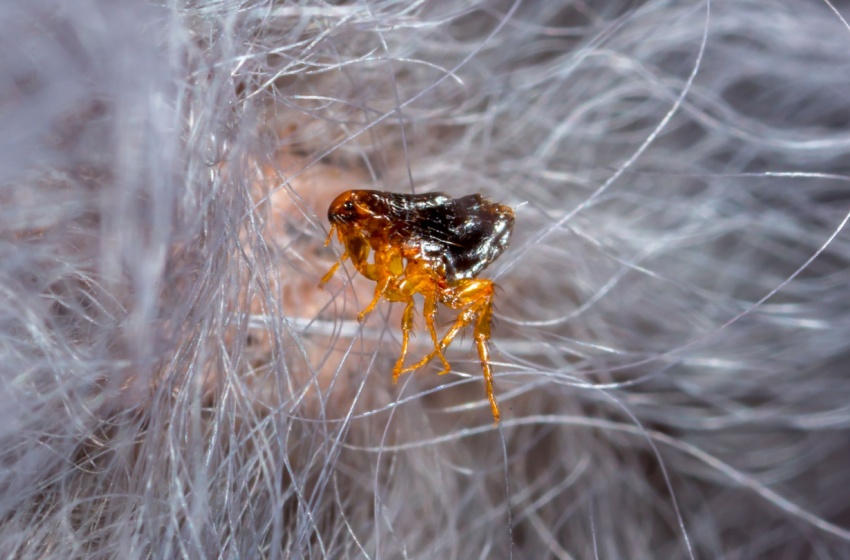
As the temperatures rise in Central Valley, pet owners face a familiar challenge—fleas and ticks. These tiny parasites thrive in warm weather, putting furry friends at risk of irritation and illness. While these pests may seem like a minor nuisance, they can cause serious health complications if left unchecked. Understanding how to prevent infestations and protect your pets is essential for a stress-free summer.
The Dangers of Fleas and Ticks
Fleas and ticks do more than cause itching. Fleas can lead to anemia in pets, especially small breeds or kittens, while ticks carry diseases such as Lyme disease and Rocky Mountain spotted fever. Pets that spend time outdoors—or even inside homes that aren’t regularly treated for pests—can fall victim to these unwelcome visitors.
Early detection can make a huge difference. Pay attention to warning signs like persistent scratching, red or inflamed skin, and unusual restlessness. If you notice tiny black specks in your pet’s fur (commonly known as flea dirt), there’s a good chance your pet is dealing with fleas.
Simple Steps to Keep Fleas and Ticks Away
A proactive approach helps minimize the risks. Routine pet care and environmental management are key to keeping pests at bay:
- Regular Grooming: Bathing your pet with flea and tick shampoo removes pests before they multiply. Brushing with a flea comb also helps spot infestations early.
- Preventative Medications: Monthly flea and tick prevention treatments—whether topical applications or chewable tablets—act as an effective barrier against parasites.
- Home and Yard Maintenance: Clean bedding frequently, vacuum carpets, and keep your yard well-maintained. Short grass and a tidy outdoor space make it harder for ticks to linger.
- Inspection After Outdoor Time: After walks or playtime outside, check pets for ticks, particularly around ears, paws, and belly. Early removal can prevent infections.
- Avoiding High-Risk Areas: When walking your pets, try to avoid tall grass, wooded areas, and places with dense vegetation where fleas and ticks are commonly found.
- Using Pest-Repelling Collars: Flea and tick collars provide long-lasting protection and can help deter pests from latching onto your pet in the first place.
- Consulting Your Veterinarian: A vet can offer specialized recommendations for flea and tick prevention based on your pet’s age, health, and lifestyle, ensuring they receive the best possible protection.
Natural Remedies and Alternative Solutions
Some pet owners prefer natural approaches to pest prevention. While these methods don’t replace veterinary-approved treatments, they can provide an extra layer of protection:
- Apple cider vinegar diluted with water works as a mild flea-repelling spray.
- Coconut oil applied to your pet’s fur creates a natural barrier against fleas while moisturizing the skin.
- Food-grade diatomaceous earth sprinkled around bedding and pet areas can help reduce flea populations.
- Essential oils like cedarwood and lemongrass may deter pests—but always consult your vet before applying any oils to pets.
- Rosemary can act as a natural flea repellent when steeped into a rinse—but always ensure it’s properly diluted and safe for your pet before use.
How Fleas and Ticks Spread in Central Valley
Central Valley’s climate makes it an ideal environment for fleas and ticks to thrive. These pests often hitch a ride on wildlife such as squirrels, raccoons, and stray animals, making prevention even more crucial for pet owners. Once fleas enter your home, they can reproduce rapidly, with eggs settling into carpets, pet bedding, and furniture. Without proper management, a small infestation can quickly spiral into a widespread problem.
Ticks, on the other hand, latch onto pets and humans after lurking in tall grass or wooded areas. Unlike fleas, ticks don’t move quickly or jump—but they remain attached to their host, feeding on blood. Pets that spend time outdoors or in rural areas are at increased risk of tick bites, reinforcing the need for regular inspections and prevention strategies.
The Role of Seasonal Pest Control
While many pet owners take preventive measures, seasonal pest control services can provide additional protection during peak flea and tick months. Professional treatments can target outdoor areas, eliminating breeding grounds before infestations begin. Scheduling routine inspections during summer ensures that your home environment remains safe for both pets and humans.
What to Do If Your Pet Has Fleas or Ticks
Despite your best efforts, infestations can still happen. If you find fleas or ticks on your pet, immediate action is necessary. Start by bathing them with flea shampoo, then apply vet-approved flea treatments as directed. Thoroughly clean your home—including bedding, carpets, and furniture—to prevent reinfestation. In severe cases, your veterinarian can prescribe additional treatments to get the issue under control.
By maintaining a consistent prevention plan, you can ensure your pet stays comfortable and healthy all summer long.
If flea and tick problems spread beyond your pets and into your home, it’s time for expert intervention. Contact San Joaquin Pest Control today for professional pest control solutions tailored to your needs, and let us help keep your environment pest-free.
For over 50 years, San Joaquin Pest Control has provided reliable pest management services across Central California. Our experienced team knows exactly how to tackle summer pest issues, ensuring your home remains a safe haven for both pets and family members. Stay ahead of fleas and ticks—trust San Joaquin Pest Control to protect your space!