


.webp)


How Drought Conditions Affect Pest Activity in California
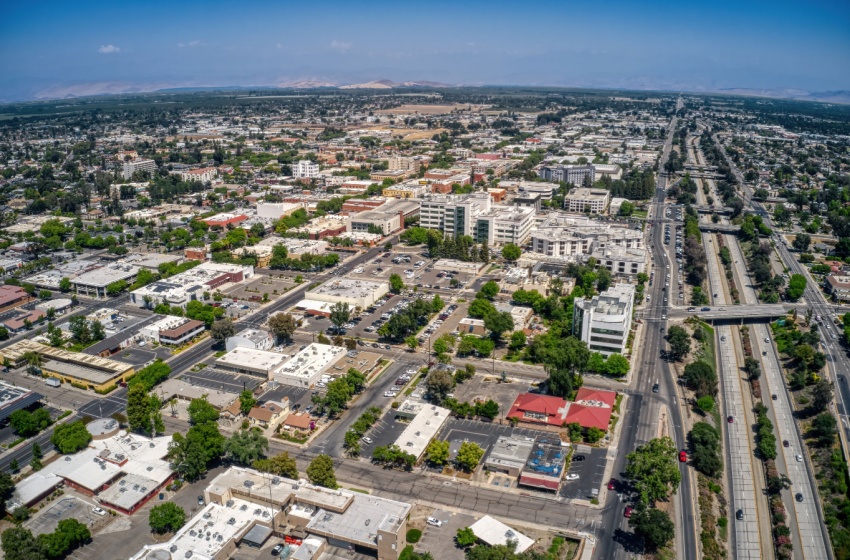
California periodically experiences drought conditions severe enough to reshape pest behavior across the Central Valley. When available water becomes scarce across the landscape, pests that would otherwise forage and nest outdoors begin moving into residential structures in greater numbers. Our Visalia pest control team sees this pattern play out on a regular basis, and it is useful for homeowners to understand how drought changes what they are likely to encounter.
Moisture-Seeking Behavior
Many of the pest species common to the Central Valley are highly sensitive to available moisture. Ants in particular will travel substantial distances from their colonies to access water. During drought periods, the gap between what is available outdoors and what is available inside a structure widens considerably. Irrigated lawns, leaking fixtures, kitchen and bathroom moisture, and water around pet dishes all become more attractive to foraging insects when outdoor sources dry up. Homeowners who do not otherwise have ant problems may encounter heavy trailing activity during extended dry periods for exactly this reason.
Cockroaches exhibit similar behavior. They require moisture to survive and will press deeper into structures to find it when outdoor conditions become dry.
Rodents and Compressed Habitat
Drought reduces the vegetative cover that rodents rely on for shelter and nesting material. It also limits the outdoor food sources—seeds, vegetation, insects—that sustain field rodent populations. When habitat and food compress, rodents move outward from drying fields and marginal areas toward irrigated residential properties and structures. Norway rats, roof rats, and house mice all become more likely to target homes and outbuildings during prolonged dry conditions.
This effect is particularly relevant for properties near agricultural land. Fields under drought stress support fewer rodents in place, and the surplus population shifts toward the nearest available habitat—which, in many parts of Tulare, Kings, and Kern counties, is a residential neighborhood.
Spiders Follow Insects
Spider populations track insect populations, as insects are their primary food source. During drought, insects concentrate around the same moisture and food sources that attract them to structures. Spider activity near homes increases accordingly. Black widows, which are already well established across the Central Valley, tend to be found in greater numbers in exterior harborage when insect activity near structures is elevated.
Termites and Dry Conditions
Subterranean termites need moisture to survive, and drought conditions in the soil can push their tunneling activity closer to structures as they follow moisture gradients. This does not necessarily produce a dramatic increase in infestations, but dry years can shift termite activity toward structures in ways that are worth monitoring. Regular termite inspections are important regardless of drought conditions, but particularly so during extended dry periods.
What Homeowners Can Do
Drought periods are good times to address conditions on a property that attract moisture-seeking pests:
- Repair leaking exterior faucets, drip lines, and irrigation heads
- Ensure gutters drain away from the foundation
- Eliminate standing water in pots, saucers, and low-lying areas
- Store firewood and debris away from the structure
Reducing available moisture around the exterior of a home helps limit the differential that draws pests inside during dry periods. That said, drought-driven pest pressure often requires professional treatment, particularly when ant infestations or rodent activity has already developed. To schedule an inspection or set up a service plan, contact San Joaquin Pest Control.