






Rodents in Hanford: Why Mice and Rats Start Moving Toward Homes in the Fall
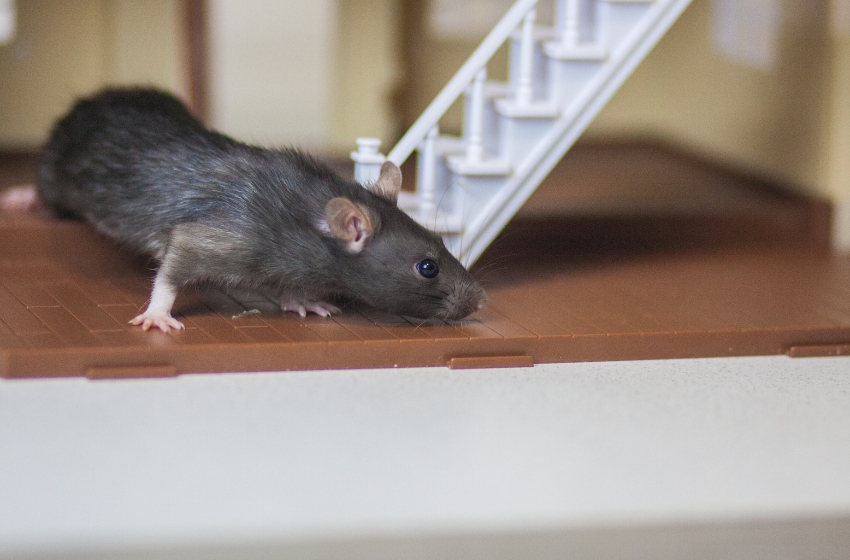
Fall changes the environment around Hanford homes, farms, fields, and outbuildings. Rodent populations that spent warmer months finding food and shelter outdoors may begin exploring protected structures as conditions shift, crops are harvested, vegetation changes, and nighttime temperatures decline. For homes located near agricultural land or other suitable rodent habitat, that movement can bring mice and rats surprisingly close to the house. Professional rodent control in Hanford can help determine how rodents are using a property and where they may be getting inside.
Fall Changes the Landscape Around Hanford
Kings County’s agricultural character has a direct influence on local rodent activity. Fields, orchards, irrigation areas, equipment yards, drainage areas, and dense vegetation can provide rodents with food, water, cover, and protected places to nest throughout the warmer part of the year.
Those conditions begin changing as fall approaches. Harvesting removes crops and vegetation, mowing changes available cover, and routine agricultural activity can disturb areas rodents have been using for shelter. Changes in irrigation and food availability can also encourage mice and rats to explore new parts of the surrounding landscape.
Nearby garages, sheds, barns, and homes can provide dependable shelter when outdoor conditions shift. Rodents respond quickly to available opportunities, especially when a structure offers protection along with nearby food and water.
Small Openings Can Give Rodents Access
Mice can squeeze through remarkably small gaps, which makes seemingly minor openings around a home worth inspecting. Garage corners, utility penetrations, door gaps, roof transitions, vents, damaged screens, and spaces around exterior construction can all provide potential access.
Rats add another challenge because they are capable climbers. Trees, fences, rooflines, patio structures, and utility routes can bring them closer to upper portions of a home where openings may be harder to notice from ground level.
A thorough inspection should consider the complete route rodents may be using across the property. Droppings in a pantry or scratching above a ceiling show where activity has reached, while the actual entry point may be several rooms away or located outside at a completely different level of the structure.
Garages and Outbuildings Often Show the First Signs
Many Hanford properties include garages, workshops, sheds, barns, or other structures that receive less daily activity than the main house. These quieter areas can give rodents time to establish travel routes or nesting sites before anyone notices.
The first evidence may be a torn bag of animal feed, shredded material behind a cabinet, droppings along a wall, or gnaw marks on stored items. Scratching after dark can also point toward activity inside storage areas, ceilings, or wall spaces.
Secondary structures deserve attention even when the first concern is inside the house. Rodents using a detached shed or garage are already comfortable moving across the property, and the distance from those structures to the home may be relatively short.
Food Around the Property Can Keep Rodents Nearby
Available food has a major influence on rodent activity. Pet food, livestock feed, birdseed, fallen fruit, unsecured trash, compost, and food residue can all give mice and rats a reason to remain close to buildings.
Fruit and nut trees deserve particular attention during harvest and fall cleanup. Produce left beneath a tree can provide an easy food source, especially when other seasonal resources are becoming less plentiful.
Store feed, seed, and pet food in sturdy containers with secure lids whenever possible. Regularly cleaning fallen fruit and keeping garbage contained reduces the resources rodents can use while they explore the property for shelter.
Indoor Rodent Activity Can Show Up in Several Ways
Rodents frequently remain hidden, so homeowners often discover evidence before seeing an actual mouse or rat. Droppings may appear inside cabinets, garages, pantries, attics, storage areas, or along walls where rodents travel.
Gnawing is another common clue. Rodents may damage food packaging, cardboard, wood, stored materials, or other objects while moving through an area. Shredded paper, fabric, or insulation can indicate that nesting activity is occurring nearby.
Sounds can provide useful information as well. Scratching or movement may become easier to hear after the household quiets down at night. Repeated disturbance in the same location, such as a bag that develops new holes or nesting material that returns after cleanup, creates a pattern worth investigating.
Trapping Works Better When the Travel Route Is Understood
Traps can help remove rodents that have already entered a structure, but successful long-term control also depends on identifying where the animals are traveling and how they are getting inside. An open access point can continue allowing new rodents to enter after others have been removed.
Placement also affects trapping success. Mice and rats frequently follow walls, edges, and established pathways as they move between food, shelter, and nesting areas. Signs such as droppings, rub marks, gnawing, and disturbed materials can help reveal those routes.
A professional inspection can connect indoor evidence with exterior access points and surrounding conditions. That broader view helps determine whether activity is centered around a garage, attic, outbuilding, landscaping feature, or another part of the property.
Agricultural Areas Can Create Changing Rodent Pressure
Hanford’s location within an agricultural region means rodent pressure can change as nearby land use changes throughout the year. Harvesting, field maintenance, irrigation adjustments, and vegetation removal can all affect where rodents find shelter and food.
Properties close to fields or orchards may notice activity at different times than homes surrounded primarily by residential development. Larger lots with barns, animal feed, fruit trees, or multiple outbuildings can also provide more opportunities for rodents to move through the property.
These local differences make property-specific inspections especially useful. The most important conditions at one Hanford home may have little to do with the factors driving activity at another property only a few miles away.
Fall Is a Good Time to Check the Exterior
A fall inspection can help uncover rodent access before activity spreads farther into the home. Check garage seals and exterior doors, then look around utility lines, vents, roof edges, and areas where vegetation contacts the structure.
Tree branches approaching the roof deserve attention because climbing rats can use them as travel routes. Storage areas should also remain organized enough that wall edges, corners, and food containers can be checked for fresh evidence.
Addressing obvious openings and reducing accessible food gives rodents fewer opportunities to settle into garages, attics, and other protected spaces as outdoor conditions continue changing.
Rodent pressure around Hanford can shift quickly during fall as agricultural activity, vegetation, food availability, and temperatures change. If you are finding droppings, hearing movement after dark, or seeing signs around garages, sheds, or storage areas, contact San Joaquin Pest Control to schedule an inspection and determine where the rodents are traveling and how they are getting inside.