






Why Bakersfield Homes Can Still Have Ant Problems Long After Summer Ends
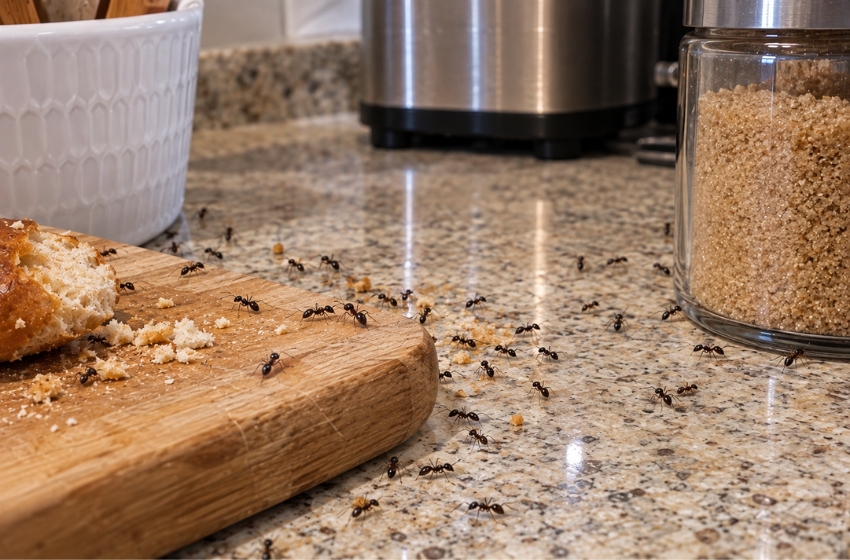
Ant season in Bakersfield can continue well beyond the hottest part of summer. Warm fall days, irrigated landscaping, protected nesting sites, and reliable household food and water can keep colonies active as the season changes. A trail that disappears for a while may return during another period of favorable conditions, and professional ant control in Bakersfield can help when recurring activity keeps showing up around your home.
Bakersfield’s Fall Weather Can Keep Colonies Active
Ant activity responds to environmental conditions throughout the year. Bakersfield can remain warm through much of the fall, giving established colonies plenty of opportunities to continue foraging.
Cooler nights can change when ants are active, while another stretch of warm weather may bring workers back through yards, landscaping, patios, and structural gaps. This is why activity may disappear for several days and then return to a familiar location.
A kitchen trail that resurfaces later in the season may be connected with the same outdoor nesting conditions that supported ants during summer.
Irrigated Yards Create Reliable Moisture
Bakersfield’s dry climate makes residential irrigation an important part of the local pest environment. Lawns, trees, garden beds, and landscaped areas can contain moisture even when surrounding exposed ground is extremely dry.
Ant colonies can take advantage of soil around irrigation equipment, tree roots, pavement edges, and other protected locations. Workers may then travel from those areas toward the house while searching for food or additional moisture.
Check sprinkler coverage and drip systems near the foundation. Correcting unnecessary overspray or persistently wet areas can reduce conditions that support pest activity immediately beside the structure.
Kitchens Provide Plenty of Food
Ants can use very small amounts of food. Crumbs beneath a toaster, residue around a trash container, a drop of juice, grease near a stove, or pet food left in a bowl can all attract foraging workers.
Once ants locate a dependable resource, they can recruit additional workers to the area. A handful of ants may develop into a clearly defined trail over a relatively short period.
Cleaning the food source reduces the attraction, while recurring trails indicate that the surrounding entry points and nesting conditions also deserve attention.
Bathrooms Can Attract Ants Too
Kitchens receive much of the attention when ants move indoors, but bathrooms, laundry rooms, and utility areas can also experience activity because they provide access to water.
Ants appearing around sinks, tubs, plumbing areas, or damp walls may be responding to moisture. Look for leaks, condensation, or other water sources when activity repeatedly concentrates in these rooms.
The location can also provide clues about entry. A trail disappearing around plumbing or a wall edge gives you a useful starting point for inspecting the surrounding area.
Pavement Can Conceal Nesting Areas
Driveways, patios, sidewalks, and other hard surfaces create protected edges and cracks that some ants can use. Colonies may establish beneath pavement or along the boundary between concrete and soil.
From the surface, you may see only workers moving in and out of a narrow opening. The visible crack can represent a small portion of the space being used below.
Repeated activity from the same pavement opening deserves attention, especially when the trail leads toward the house.
Ant Trails Can Shift Around a Home
Recurring ant problems do not always appear in exactly the same place. Workers may use different access points as conditions change, and multiple colonies can also be active around a property.
A trail near a kitchen window one month and another near a bathroom later in the season may reflect broader exterior activity. Observing where trails begin and end provides useful information about how ants are moving around the structure.
Before wiping away an active trail, take a moment to see where the ants disappear. Cracks, utility openings, window gaps, and other structural transitions can reveal likely access routes.
Landscaping Deserves Attention Along With the Interior
Indoor ant activity can continue when the surrounding yard provides favorable nesting conditions. Landscaping, irrigation, trees, pavement, mulch, and foundation edges all influence how ants use a property.
Trim vegetation where it creates direct contact with the structure and remove unnecessary debris near exterior walls. Check for excess moisture around irrigation and plumbing, and keep outdoor food sources such as pet dishes and trash under control.
These changes make the immediate area around the house easier to inspect and less supportive of continued pest activity.
Recurring Ants Benefit From Proper Identification
Different ant species can have different nesting habits and respond differently to control methods. Identification becomes especially useful when trails repeatedly return after household treatments.
A technician can look at the ants themselves, the route they are using, surrounding landscaping, moisture, and other property conditions. That information helps determine where control efforts should be concentrated.
Bakersfield’s climate can support ant activity well beyond summer, so recurring trails deserve attention whenever they appear. If ants continue showing up in your kitchen, bathroom, patio, or other areas this fall, contact San Joaquin Pest Control to request an inspection and find an ant-control approach suited to your property.