






What Pests Are Trying to Get Inside Your Hanford Home Before Winter?
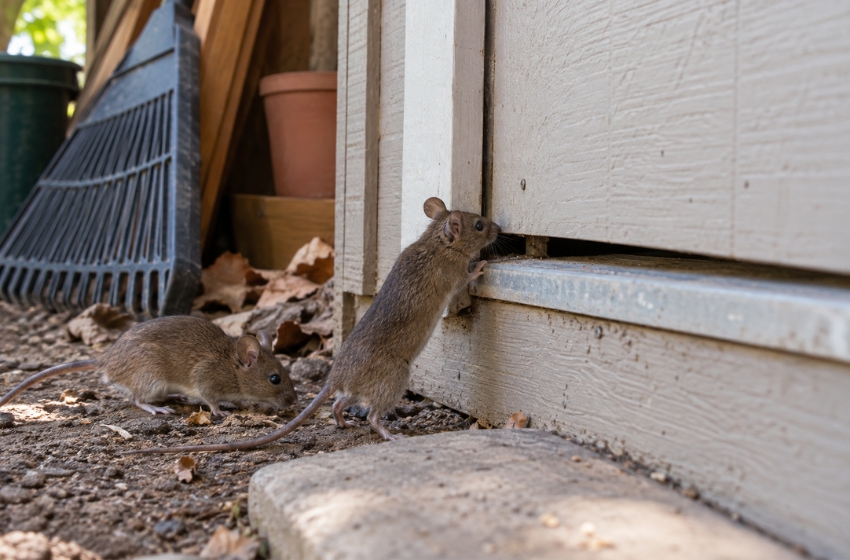
Fall brings changes to the fields, yards, and neighborhoods around Hanford, but pest activity can continue throughout the Central Valley’s mild, cool season. Rodents may explore structures for protected shelter, while ants, cockroaches, spiders, and other insects remain active during favorable weather. Checking a few key areas around the house can reveal early signs before pests become established indoors, and local pest control in Hanford can help when recurring evidence points to an active problem.
Rodents Deserve Extra Attention in the Fall
Mice and rats can use homes, garages, sheds, barns, and other structures throughout the year. Fall adds changes in temperature, vegetation, agricultural activity, and outdoor food availability that can influence where rodents travel.
Hanford’s location in Kings County means many residential properties are close to fields, orchards, larger lots, or other agricultural environments. Harvesting and vegetation changes can disturb existing rodent habitat and encourage animals to explore nearby structures.
Watch garages and outbuildings closely during this period. Droppings, gnawing, shredded material, damaged feed or seed bags, and nighttime scratching can indicate that rodents are spending time in or around the structure.
Cockroaches Can Stay Active Around Protected Areas
Central Valley fall weather can remain warm enough for cockroaches to stay active around yards and structures. Irrigated landscaping, drains, garages, utility areas, and other protected spaces can continue providing moisture and shelter.
Outdoor cockroaches may enter through door gaps or other exterior openings. Repeated sightings inside kitchens and bathrooms deserve closer attention because some cockroach species are capable of living and reproducing within buildings.
The size, location, and frequency of sightings can help distinguish occasional outdoor visitors from persistent indoor activity.
Ants Continue Searching for Food and Water
Ant colonies can remain active through favorable fall weather, particularly around irrigated residential landscapes. Workers may travel from soil, pavement, tree roots, or other nesting areas toward a home.
Kitchens provide food, while bathrooms and utility areas can provide water. A trail may appear along a windowsill, countertop, wall edge, or plumbing area and then shift as weather or available resources change.
When ants repeatedly use the same route, take note of where they enter and exit. That pattern can help identify exterior conditions or structural openings that are supporting the problem.
Spiders May Become Easier to Notice
Spiders often become more visible in late summer and fall as webs grow larger and mature spiders move through areas where insects are plentiful.
Garages, sheds, patios, eaves, exterior lights, and landscaping can all support activity. Exterior lighting is particularly important because it attracts flying insects that provide food for spiders.
Remove old webs and watch where new ones appear. Fresh webbing in the same area can point toward insect activity or protected conditions that continue to support spiders.
Garages Can Become the First Indoor Stop
A garage combines easy access with abundant hiding places, making it one of the most important areas to inspect before winter.
Look for:
- Gaps along the bottom and corners of the garage door
- Droppings along walls or behind stored items
- Damaged bags of pet food, seed, or animal feed
- Cockroach activity beneath storage or appliances
- Fresh spider webs around shelving and corners
- Gaps around side doors, vents, pipes, or cables
Keeping storage organized makes these signs easier to recognize. Food-like materials are also better protected in sturdy containers with secure lids than in paper or thin plastic packaging.
Exterior Doors and Utility Openings Need a Seasonal Check
Small insects can use narrow gaps around doors, windows, pipes, cables, vents, and other penetrations. Rodents require more space, but many structural openings are still easy to overlook during routine home maintenance.
Walk around the house during daylight and look closely at transitions between building materials. Inspect door sweeps, weather stripping, screens, and visible utility openings.
The roofline should also be part of the inspection. Tree branches and connected structures can give climbing rodents access to upper areas that may be difficult to see from directly beside the house.
Outdoor Food Sources Can Keep Pests Close
Fall cleanup can reduce several pest attractions at once. Pick up fallen fruit and nuts, clean outdoor cooking areas, keep garbage lids secure, and avoid leaving pet food outside for extended periods.
Dense debris and unused materials beside the house can provide additional hiding areas. Moving these items away from exterior walls makes the area easier to inspect and reduces protected harborage.
These property changes can also make fresh pest evidence easier to notice if activity continues.
Hanford’s Mild Winter Keeps Pest Prevention Relevant
A Central Valley winter still includes plenty of periods when pests can remain active. Rodents that have already entered a garage, attic, or wall space also gain protection from changing outdoor conditions.
Fall is therefore a useful time to address signs as they appear. Fresh droppings, recurring trails, repeated cockroach sightings, or new webs can tell you where an inspection should begin.
If pests are becoming a regular presence around your Hanford home, contact San Joaquin Pest Control to schedule an inspection. Identifying the pest, access points, and conditions supporting the activity can help you address the problem before it becomes established deeper inside the home.