


.webp)


How Irrigation and Landscaping Affect Pest Activity in Hanford
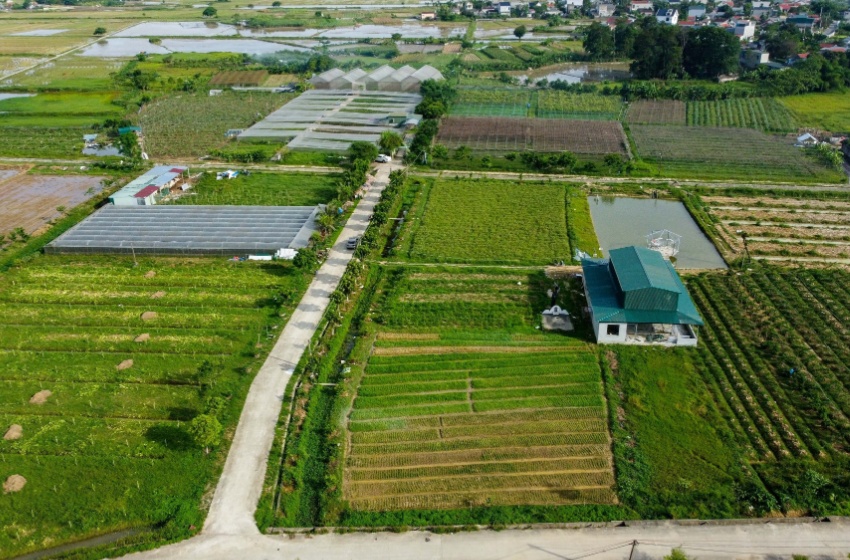
Hanford and the surrounding Kings County area rely heavily on irrigation—for agriculture, for residential landscaping, and for the general maintenance of green spaces in a region that receives limited natural rainfall. That irrigation dependency creates conditions that directly influence pest activity on and around residential properties. Our Hanford pest control team regularly identifies irrigation and landscaping as contributing factors when assessing pest pressure on local properties.
Moisture Draws Pests Toward Structures
In a climate as dry as the Central Valley’s, irrigated residential landscaping stands out. The contrast between a watered lawn and dry surrounding conditions draws moisture-seeking insects toward properties that are actively irrigated. Ants in particular respond to this differential. Foraging workers follow moisture gradients, and irrigated turf, drip-irrigated planting beds, and moist soil near the foundation all attract trailing activity. During dry stretches—or in drought years—this effect is amplified.
Earwigs are another species that concentrates around irrigation. They favor consistently moist soil and organic material, making mulched planting beds, ground cover near drip emitters, and densely planted garden areas ideal habitat. Earwig populations in heavily landscaped Hanford yards can be considerable, and they regularly enter structures through ground-level gaps when exterior populations are large.
Landscaping Features That Create Harborage
Beyond moisture, landscaping introduces physical harborage that pest species use for shelter and nesting. Dense ground cover planted close to the foundation—low shrubs, ornamental grasses, and thick mulch layers—provides cover that ants, spiders, earwigs, and rodents all exploit. The closer that vegetation is to the structure, the shorter the distance between established harborage and entry points into the home.
Specific landscaping conditions worth noting:
- Dense shrubs or ground cover within a foot or two of the foundation create sheltered corridors directly against the exterior wall
- Deep mulch layers retain moisture and insulate the soil, creating favorable conditions for earwigs and ants below the surface
- Fruit trees and ornamental plants that drop debris provide food sources for rodents and insects near the structure
- Overgrown vegetation around irrigation valve boxes and utility access points gives spiders and rodents sheltered entry-point harborage
Irrigation Infrastructure as Pest Habitat
Irrigation valve boxes, buried drip line connections, and controller housings are small, enclosed, and dark—exactly the conditions black widows prefer. These components are installed at or near ground level and are often undisturbed for extended periods between adjustments. On properties with established irrigation systems, these fixtures are worth inspecting regularly for spider activity.
Underground irrigation lines that develop slow leaks can create persistent soil moisture in localized areas, supporting ant colony establishment and earwig populations even when the rest of the landscape is relatively dry.
Standing Water and Mosquitoes
Irrigation systems that deliver more water than landscaping can absorb create standing water in low spots, along drip line runs, and in container plants. Even small amounts of standing water are sufficient for mosquito breeding. Homeowners with mosquito concerns should assess whether irrigation schedules and delivery rates are producing excess water that pools on the surface or collects in containers.
Reducing standing water on the property is one of the most effective steps available to limit mosquito breeding. Professional mosquito treatment addresses the adult population in vegetation, but eliminating breeding sites reduces long-term pressure more effectively than treatment alone.
Practical Steps for Homeowners
Managing irrigation and landscaping with pest control in mind involves a few consistent practices: pulling mulch and ground cover back from the foundation perimeter, adjusting irrigation schedules to avoid overwatering, inspecting irrigation valve boxes and low-maintenance fixtures periodically, and removing plant debris that accumulates near the structure. These steps reduce both harborage and moisture availability in the areas closest to entry points.
Professional service addresses what remains after those measures are in place. To schedule an inspection or get a free quote, contact San Joaquin Pest Control.