



.webp)



Why Are Black Widows Common in the Central Valley?
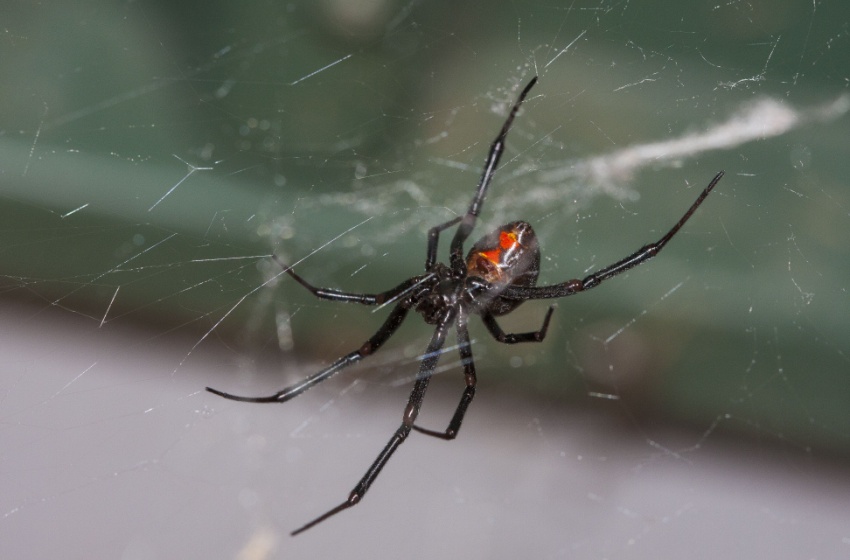
Black widows are one of the most frequently encountered venomous spiders in California, and the Central Valley sees consistently high activity. Homeowners across Tulare, Kings, and Kern counties find them in garages, storage areas, and along exterior walls throughout the year. Our spider control team addresses black widow concerns regularly, and the reasons this species is so well established here come down to a few specific environmental factors.
Climate Is the Primary Driver
The western black widow (Latrodectus hesperus) is tolerant of heat and dry conditions, which makes the Central Valley’s climate particularly well suited to it. Extended warm seasons allow these spiders to remain active and reproductive for a greater portion of the year than they would be in cooler climates. Mild winters do not kill off established populations or interrupt breeding cycles in any significant way. The result is that black widow populations in this region persist and rebuild year after year without the cold-weather pressure that limits them in other parts of the country.
Abundant Insect Prey
Black widows are insectivorous, and the Central Valley supports a large and consistent insect population. Agricultural land surrounding the region’s cities generates high insect activity through much of the year, and that activity extends into residential areas along the urban-agricultural fringe. Where insect prey is consistently available, black widow populations can sustain themselves and grow. Spiders that have reliable access to food near a structure have little reason to move on, which is why infestations in garages and storage areas tend to persist unless actively treated.
Ideal Harborage Conditions
Black widows do not build webs in open, exposed locations. They require sheltered, dark, undisturbed spaces where they can establish without being disturbed. Central Valley homes tend to have substantial exterior harborage that fits that profile: block walls with hollow cavities, wood piles, storage sheds, attached garages with cluttered floor areas, irrigation valve boxes, outdoor furniture with enclosed frames, and covered patio structures. Rural and semi-rural properties near Hanford and in the agricultural margins outside Visalia and Bakersfield typically have even more of it.
The more undisturbed exterior storage and structural harborage a property has, the more potential nesting sites are available. Properties with a high density of suitable sites tend to develop higher black widow populations over time.
Why They Are Found Indoors
Black widows generally prefer exterior and semi-enclosed locations over the interior of a home, but they do enter structures when conditions outside are unfavorable or when harborage opportunities exist at entry points. Ground-level gaps in door sweeps, foundation openings, and spaces around utility penetrations can allow them to move inside, particularly into garages, crawl spaces, and undisturbed storage rooms.
Managing Black Widow Populations
Because black widows are venomous and year-round residents across this region, they are not a pest that most homeowners can effectively manage on their own. Professional treatment targets active harborage, reduces insect prey populations through perimeter service, and addresses new activity on a scheduled basis. All of our residential service plans include spider control, and our technicians remove exterior webs with each visit.
To schedule an inspection or get started with a service plan, contact San Joaquin Pest Control.