






Roof Rats in Visalia: Where They Hide and How They Get Into Central Valley Homes
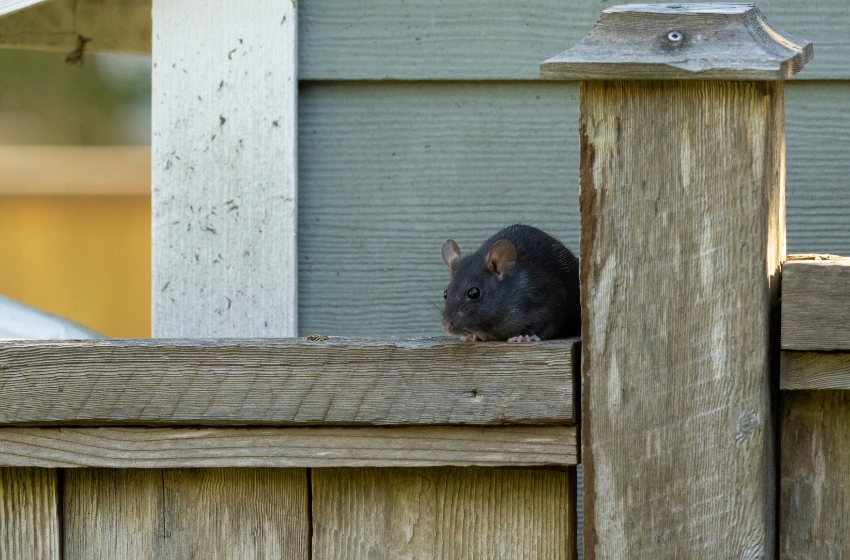
Hearing movement above the ceiling after dark can be an unsettling sign of rodent activity. In Visalia, roof rats are especially important to consider because their climbing ability allows them to use trees, fences, rooflines, and other elevated routes around a property. They can reach portions of a house that receive little routine inspection and then settle into attics or other protected spaces, making professional rodent control in Visalia useful when scratching, droppings, or other signs begin appearing.
Roof Rats Are Strong Climbers
Roof rats are comfortable moving above ground. Trees, fences, trellises, vines, utility routes, and connected structures can all become pathways across a residential property.
This behavior changes the way a home should be inspected. Looking only around the foundation can leave elevated access points unnoticed.
Stand far enough away from the house to see the entire roofline. Notice where branches approach the roof, where fences connect with structures, and whether patios or other exterior features create easy routes upward.
Mature Landscaping Can Bring Rats Close to the Roof
Visalia has many established neighborhoods with mature trees and landscaping. Those features provide shade and curb appeal, while some can also create useful travel routes for roof rats.
Branches touching the roof provide direct access. Nearby branches can also bring a climbing rat close enough to explore eaves, vents, and other upper structural areas.
Fruit and nut trees add another attraction by providing food. Keeping fallen produce cleaned up and maintaining reasonable separation between tree canopies and the house can reduce some of the resources roof rats use around a property.
Attics Provide Excellent Shelter
Once roof rats reach an attic, they gain access to a protected environment with limited human disturbance. Insulation, stored materials, structural cavities, and dark corners provide places to hide during the day.
Activity becomes easier to hear at night. Scratching, scurrying, or gnawing sounds may occur above bedrooms, along walls, or near attic spaces when the household becomes quiet.
The location of those sounds is worth noting. Repeated activity in the same portion of the house can help direct an inspection toward nearby travel routes or entry areas.
Rodents Leave Evidence Behind
Roof rats can remain hidden, but their movement usually produces clues. Droppings, gnaw marks, nesting material, disturbed insulation, rub marks, and damaged stored items can all point toward active areas.
Evidence often concentrates along familiar travel routes. Rodents tend to use edges and established pathways, allowing signs to accumulate in particular sections of an attic, garage, or storage space.
Looking at the pattern of evidence can provide much better information than focusing on a single dropping or damaged item.
Garages Can Also Provide Access
The name “roof rat” draws attention toward the attic, but roof rats can use lower entry areas too. Garages provide opportunities through door gaps, storage areas, utility penetrations, and adjoining structural spaces.
An attached garage can give rodents a protected route toward walls, ceilings, and other portions of the house. Detached garages and sheds can also support rodent activity elsewhere on the property.
Inspect these areas when attic sounds appear. Evidence in multiple structures may reveal broader rat activity around the home.
Food Sources Encourage Rats to Stay Nearby
A roof rat needs dependable food, and many residential properties provide options. Fruit, nuts, birdseed, pet food, garbage, compost, and garden produce can all support activity.
Pet food and seed stored in garages should be kept in secure containers. Outdoor garbage lids should close properly, and fallen fruit should be picked up regularly during productive periods.
Reducing food removes resources that encourage rodents to remain and repeatedly explore the property while access points are being addressed.
The Entry Point Is a Critical Part of Control
Catching a rat inside confirms that a rodent reached the structure. The next part of control involves identifying how that access occurred.
Roof gaps, vents, eaves, utility penetrations, garage doors, and construction transitions should all be evaluated. Active openings may show gnawing, rub marks, droppings, or other evidence of repeated use.
Exclusion is most effective when it targets the routes rodents are actually using. A thorough inspection helps connect interior signs with the exterior portion of the structure.
Agricultural Surroundings Can Influence Visalia Rodent Pressure
Visalia sits within an agricultural region where orchards, fields, irrigation, and food production influence the surrounding environment. Seasonal harvesting and vegetation changes can alter where rodents find food and cover.
Homes near agricultural edges may experience changing pressure during different parts of the year. Fresh signs around an attic, garage, yard, or outbuilding can provide an early indication that rodents have moved closer to the structure.
Regular exterior checks become especially useful when nearby agricultural conditions are changing.
Roof rats can take advantage of pathways that are easy to miss from inside a Visalia home. If you are hearing nighttime activity above the ceiling or finding droppings, gnawing, or other evidence, contact San Joaquin Pest Control to schedule a rodent inspection and determine where the rats may be gaining access.